
 Alper Tekin
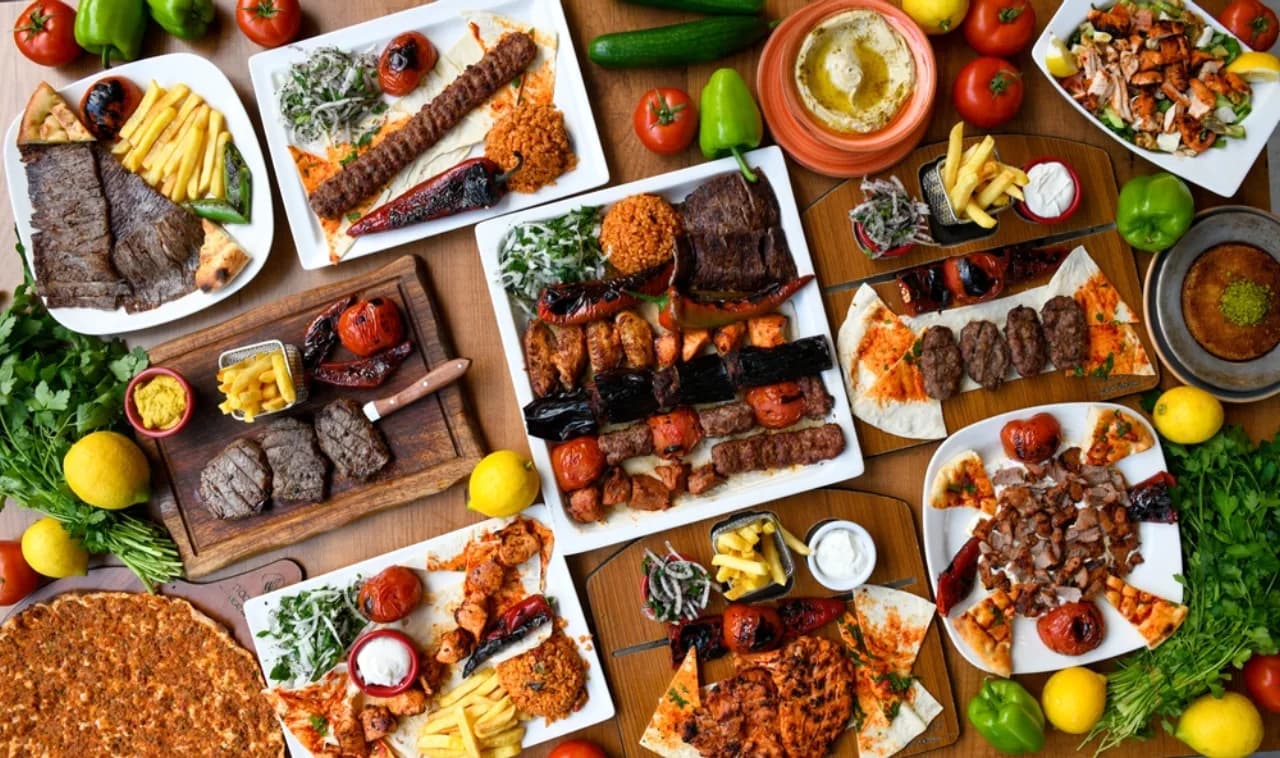
Turkish food is one of the world's great cuisines — a delicious crossroads of Mediterranean, Middle Eastern, Balkan, and Central Asian flavors built over centuries of empire, migration, and trade. The Ottoman palace kitchens of Istanbul once employed hundreds of cooks who each specialized in a single dish, and that obsession with doing one thing perfectly still defines the way Turks eat today. From smoky charcoal kebabs and a legendary multi-plate breakfast to syrup-soaked baklava and tiny cups of unfiltered coffee, eating your way through Turkey is reason enough to book the trip.
This is a traveler's guide to the most popular Turkish dishes — 30 must-try foods organized by how you'll actually meet them: at the grill, on the street, around a meze table, at breakfast, and at the dessert counter. For each one you'll get a quick "what it is," how it's served, and a tip on where to find the best version so you don't waste a single meal.
What makes Turkish cuisine special
Turkish cuisine is regional, seasonal, and deeply social. The southeast (Gaziantep, Adana, Şanlıurfa) is the spice-and-fire heartland of kebabs and pistachio baklava; the Aegean and Mediterranean coasts lean on olive oil, wild herbs, and fresh seafood; the Black Sea loves cornbread, anchovies, and butter; and Istanbul pulls every region onto one menu. Meals are made to be shared, lingered over for hours, and washed down with endless glasses of tea.
Three things define the flavor of traditional Turkish food: fresh, seasonal ingredients (sun-ripened vegetables, thick yogurt, herbs, lamb and beef), simple but precise technique (charcoal-grilling, slow-braising in olive oil, hand-made dough), and above all hospitality — feeding a guest generously is a point of pride. Here's exactly what to order.
Kebabs & grilled meats
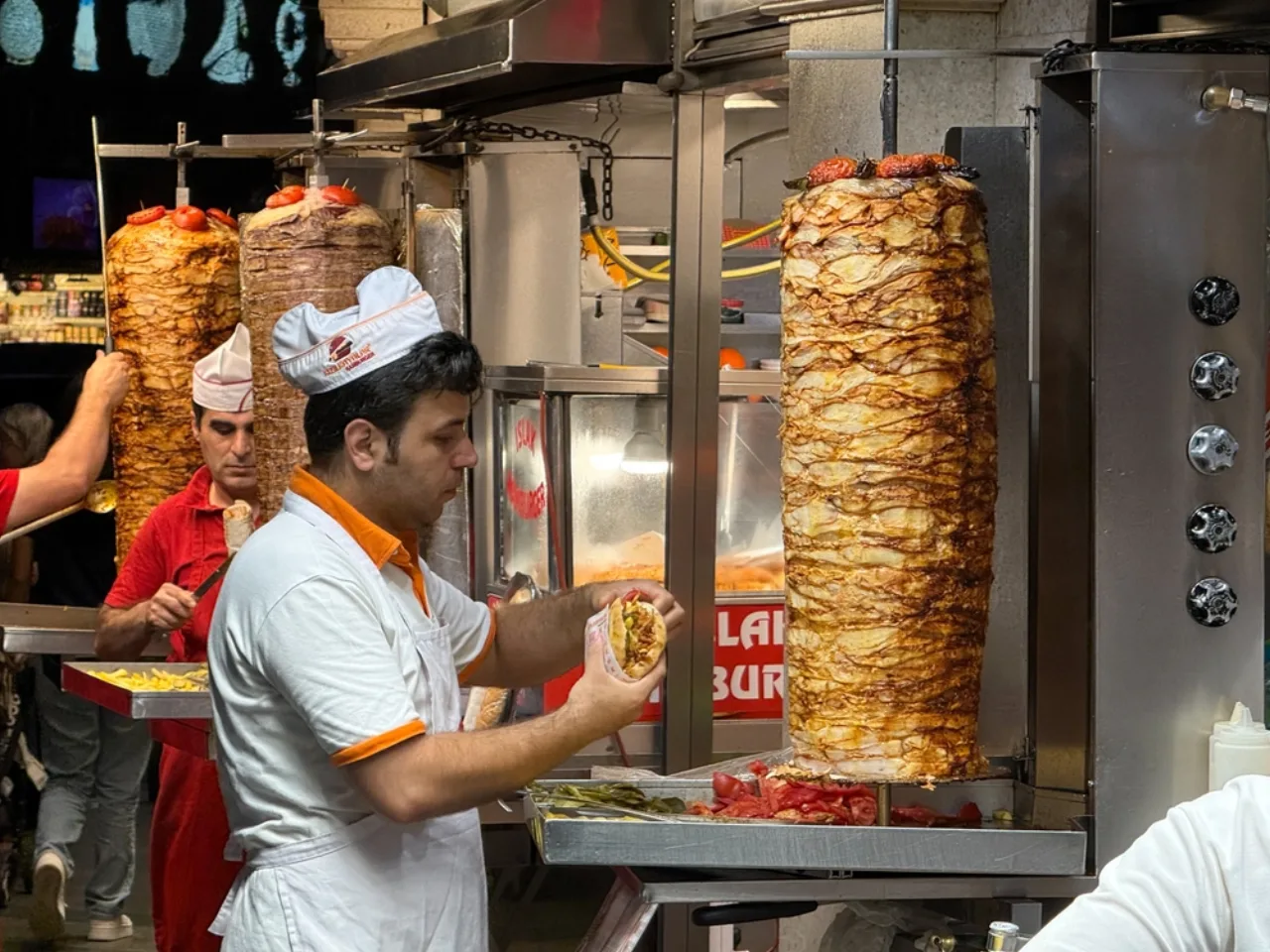
1. Döner kebab
The most famous Turkish food in the world. Layers of marinated lamb, beef, or chicken are stacked into a cone on a vertical spit and slow-roasted, then shaved into ribbons as the outside crisps. You'll eat it wrapped in lavash (dürüm), tucked into bread with salad and sauces, or plated over rice. Tip: choose a place with a busy, freshly built spit — high turnover means juicier, never-dried-out meat.
2. Adana & Urfa kebab
Hand-minced lamb seasoned and pressed by hand onto wide flat skewers, then grilled over charcoal until smoky and slightly charred. Adana is fiery with red pepper flakes; Urfa is its milder, gentler twin. Both arrive with grilled tomatoes and peppers, sumac-dressed onions, parsley, and warm lavash to wrap it all up. This is the benchmark dish of southeastern Turkey and a rite of passage for any food traveler.
3. İskender kebab
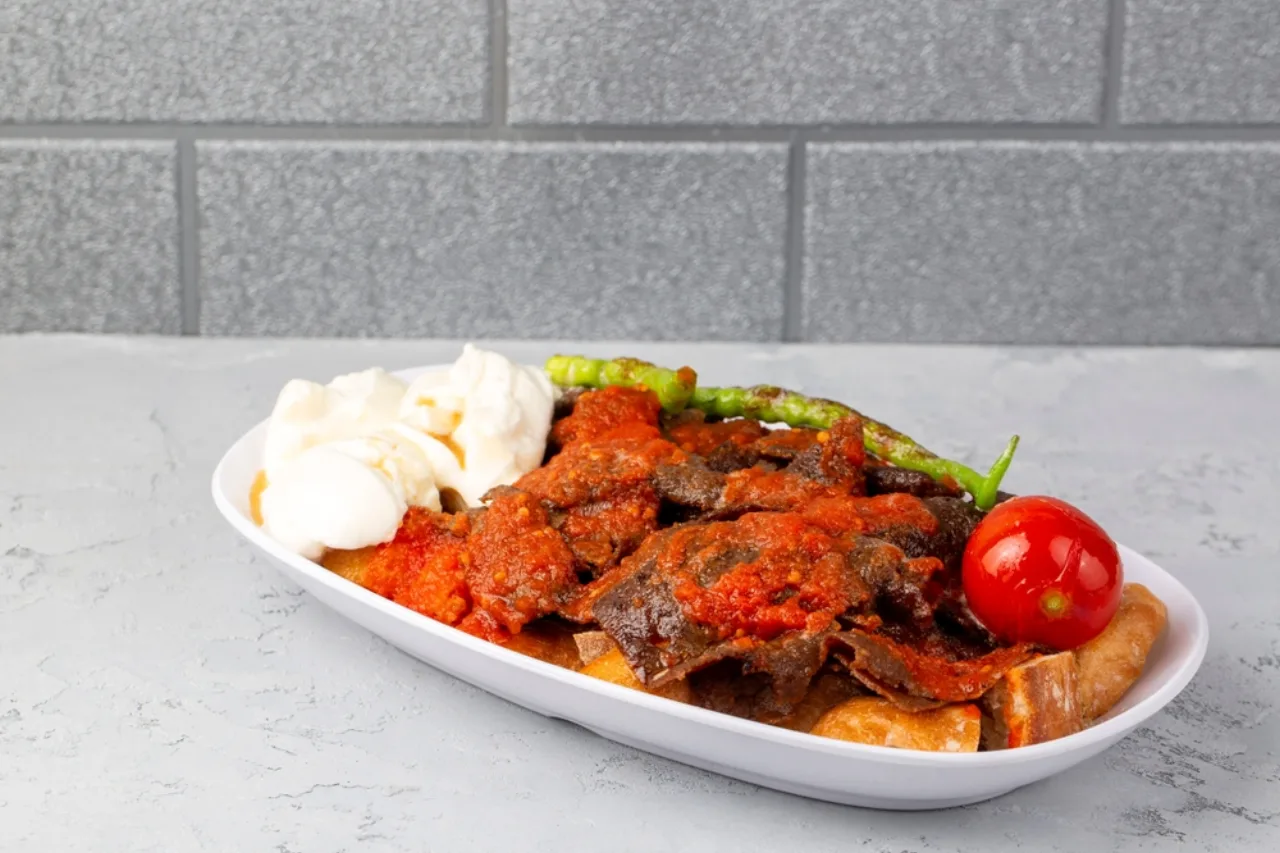
A Bursa invention and a genuine national treasure. Slices of döner are laid over cubes of pide bread, drenched in a rich tomato sauce, finished with sizzling melted butter poured at the table, and served with a cooling dollop of thick yogurt. Savory, buttery, and unforgettable — order it once and you'll understand why Bursa locals are so proud of it.
4. Şiş kebab
Cubes of marinated lamb or chicken threaded onto skewers and grilled over coals until the edges catch and the inside stays tender. It's the cleanest, most classic kebab there is — no sauce to hide behind, just good meat, salt, and fire. Served with rice or bulgur pilav, grilled vegetables, and flatbread.
5. Köfte
Turkey's beloved meatballs, with a different recipe in nearly every region. You'll find grilled İnegöl köfte (no spices, just meat and onion), saucy sulu köfte swimming in broth, and the bite-sized çiğ köfte (now a popular meat-free street snack). Often called the country's true comfort food, köfte is the dish Turks crave when they're homesick.
6. Testi kebabı
A Cappadocia specialty and a piece of edible theater: meat and vegetables are sealed inside a clay pot and slow-cooked for hours until everything melts together. At the table, the waiter cracks the pot open with a knife in front of you, releasing a cloud of steam. A must-try if you're ballooning over the fairy chimneys.
Turkish street food
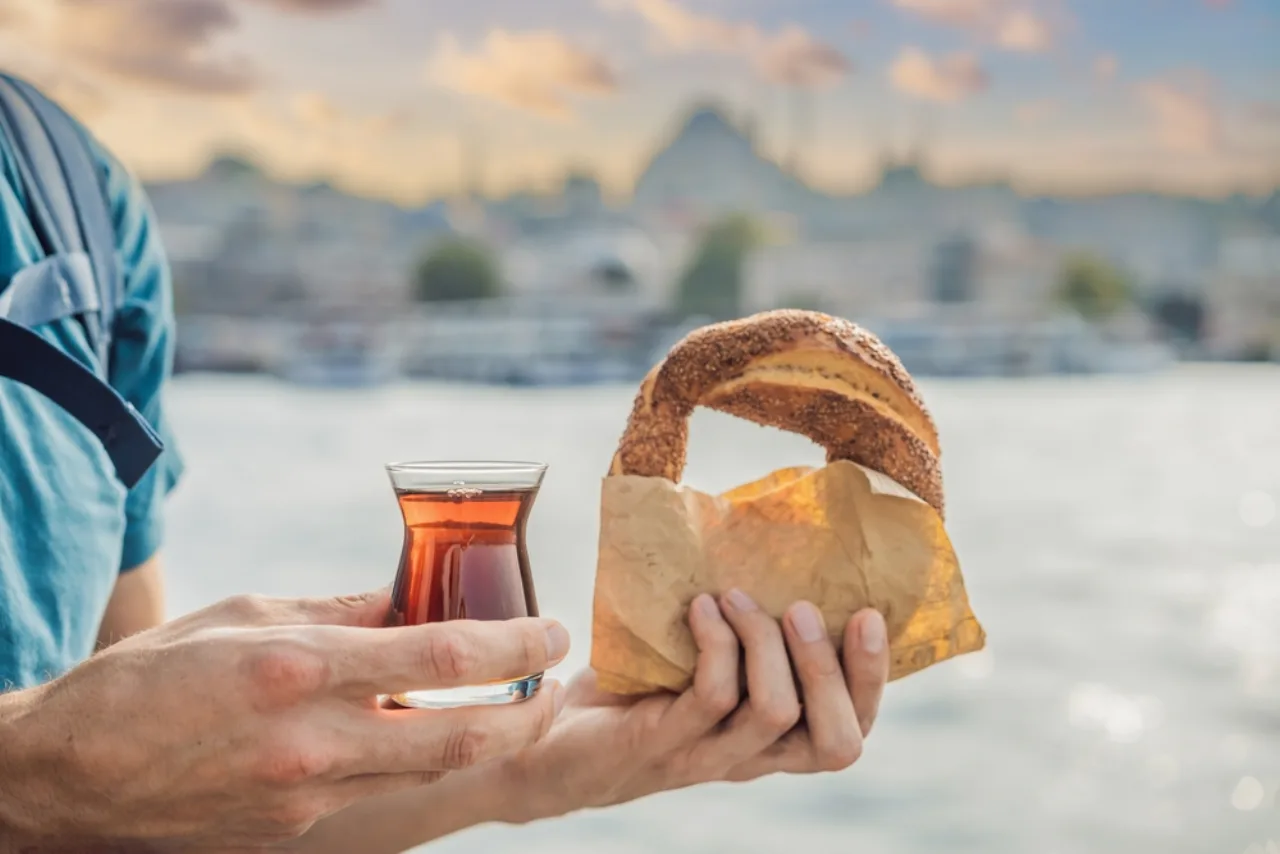
7. Simit
The crunchy, sesame-crusted bread ring sold from red carts on every corner — Turkey's edible national symbol. Crisp outside, chewy inside, and ridiculously cheap, it's the breakfast-on-the-go of millions. Locals split it with white cheese or dunk it in tea; grab one fresh and still warm for the full effect.
8. Lahmacun
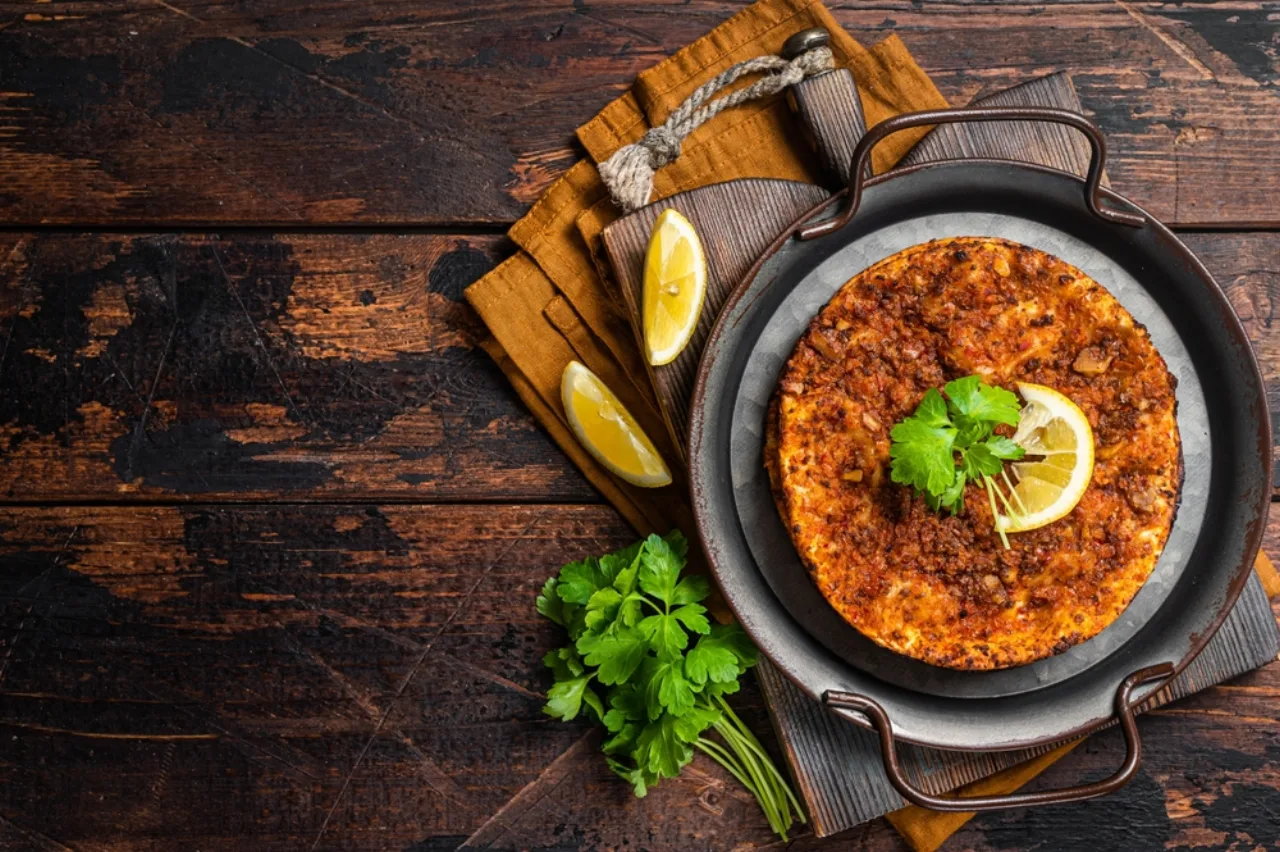
Often called "Turkish pizza," though it's really its own thing: a paper-thin, crackling flatbread spread with a thin layer of spiced minced meat, tomato, and herbs, then blasted in a wood oven. Squeeze over lemon, heap on fresh parsley and onion, roll it into a tube, and eat with your hands. One of the best-value meals in the country.
9. Balık ekmek
Istanbul in a sandwich: a fillet of grilled fish stuffed into crusty bread with raw onion, lettuce, and a squeeze of lemon. Eat it standing by the Galata Bridge or Eminönü waterfront with the Bosphorus ferries gliding past — the setting is half the flavor.
10. Kokoreç
Seasoned lamb intestines wound onto a spit, grilled until crisp, then chopped fine with tomato, oregano, and chili and stuffed into bread. It's a beloved late-night street food for the adventurous — and far more delicious than the description suggests. Trust the locals queueing for it after midnight.
11. Midye dolma
Mussels stuffed with spiced, currant-flecked rice and served with a wedge of lemon, sold from glittering trays by street vendors. You squeeze, scoop with the empty shell, and keep going — you pay per shell and simply stop when you're full. Addictive and absurdly cheap.
12. Kumpir
A monster baked potato split open and mashed with butter and cheese into a fluffy base, then loaded with whatever toppings you point at — olives, corn, sausage, pickles, Russian salad, and more. The street-food institution of Ortaköy, eaten with the Bosphorus Bridge as a backdrop.
13. Gözleme
Hand-rolled, tissue-thin dough folded over a filling — cheese, spinach, potato, or minced meat — and cooked on a domed griddle until blistered and golden. Watch village women roll it fresh at markets and roadside stops; it's the taste of the Anatolian countryside.
Meze & starters
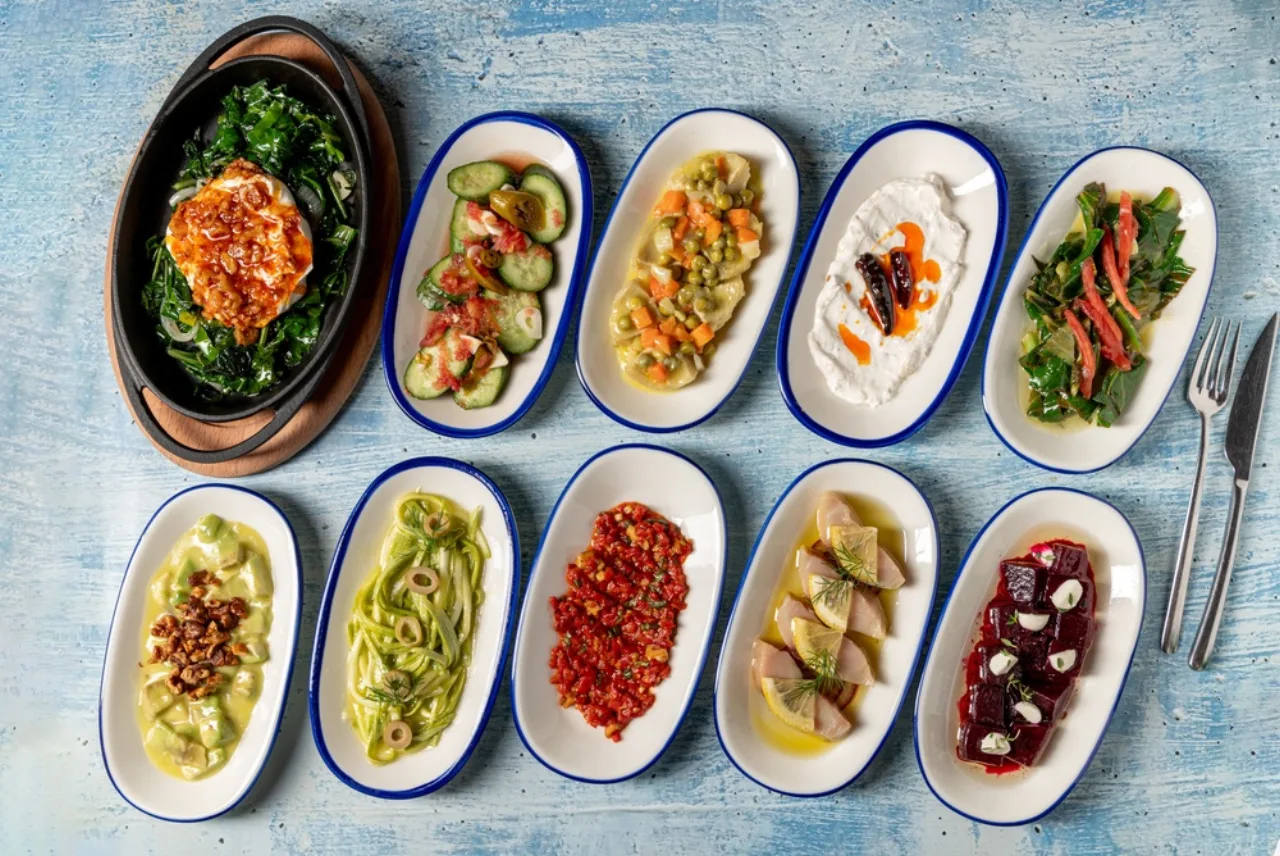
A Turkish meal often begins with meze — a table covered in small cold and hot plates meant for slow grazing and good conversation, ideally alongside a glass of rakı.
14. Haydari
Thick strained yogurt whipped with garlic, dill, and sometimes walnuts into a dense, tangy dip. It's the creamy anchor of any meze spread and the perfect cooling foil to spicy kebabs.
15. Cacık
A refreshing yogurt dip loosened with water and studded with cucumber, garlic, and mint. Order it as a side to spoon over grills, or as a chilled drinkable soup on a hot Aegean afternoon.
16. Acılı ezme
A fiery, finely chopped relish of tomato, red pepper, onion, walnut, and parsley spiked with chili and pomegranate molasses. Scoop it onto bread or pile it next to kebabs when you want real heat — the southeast's answer to salsa.
17. Dolma & sarma
"Stuffed" and "wrapped": vine leaves or vegetables (peppers, eggplant, zucchini) filled with herbed rice, sometimes with minced meat. The cold, olive-oil zeytinyağlı version is a vegetarian classic served as meze; the warm meat version is a home-cooked main.
18. Sigara böreği
Crisp, golden pastry "cigars" rolled around feta and parsley, then fried until shatteringly crunchy. Dangerously snackable and a fixture on every meze table and at every family gathering.
Soups & home-style mains
19. Mercimek çorbası
Turkey's beloved red lentil soup — silky, golden, and brightened with a squeeze of lemon and a sprinkle of dried mint and chili butter. It's eaten morning, noon, and night, and it's always a safe, satisfying, vegetarian-friendly way to start a meal.
20. Mantı
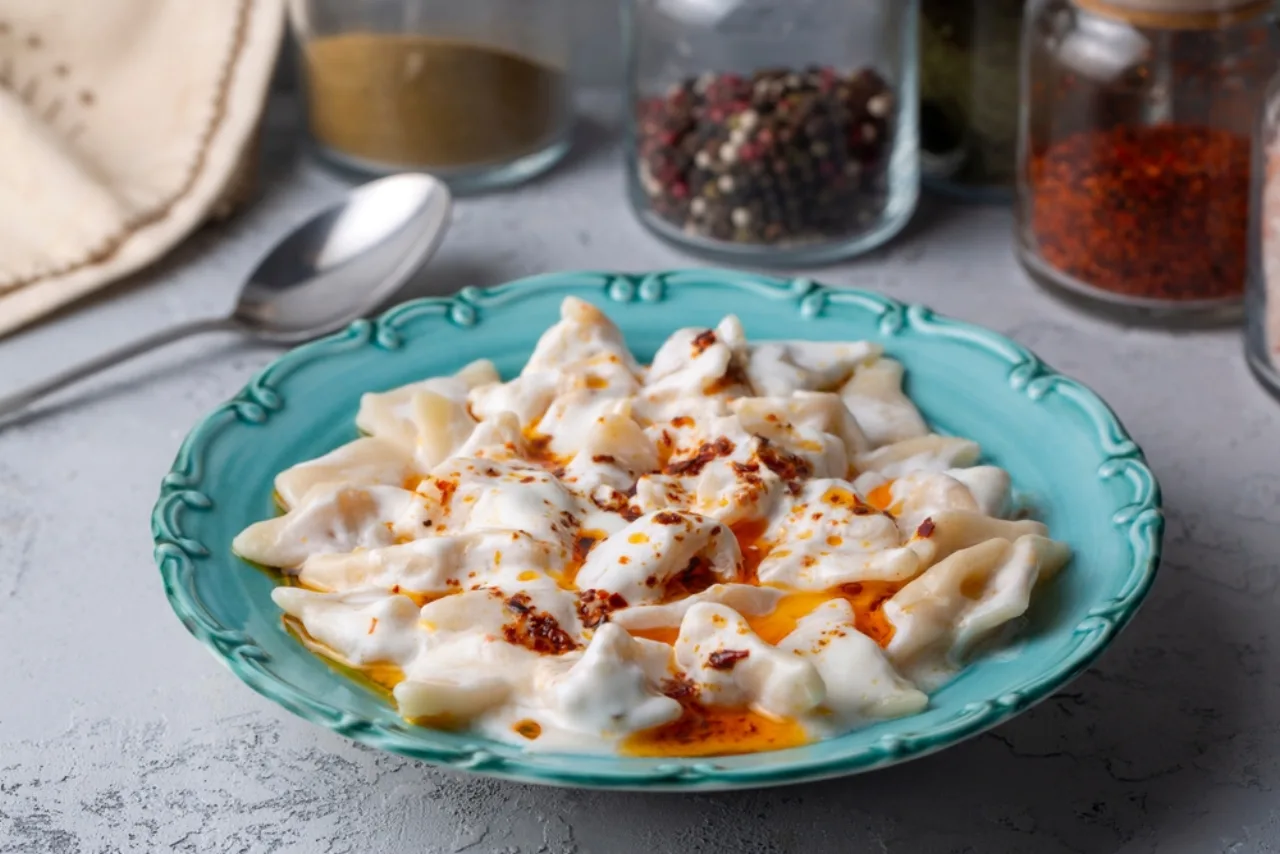
Tiny hand-folded dumplings filled with spiced meat, boiled and then crowned with garlicky yogurt and a drizzle of chili-and-mint butter. Turkey's answer to ravioli — and a genuine labor of love, since the best versions are folded so small that grandmothers measure skill by how many fit on a spoon.
21. Karnıyarık
"Split belly": whole eggplants slit open and stuffed with minced meat, onion, tomato, and peppers, then baked until soft and glossy. Hearty, homey, and deeply satisfying with a side of rice — Turkish comfort food at its finest.
22. İmam bayıldı
The legendary vegetarian cousin of karnıyarık: eggplant braised low and slow in olive oil with onion, garlic, and tomato until it practically dissolves. Its name means "the imam fainted" — supposedly from sheer delight at how good it was. Served cold or at room temperature.
23. Kuru fasulye
Turkey's unofficial national dish: a hearty white bean stew simmered in a rich tomato-and-pepper sauce, sometimes with cubes of meat or sucuk. Traditionally paired with fluffy rice (pilav) and a plate of pickles, it's the definition of Turkish home cooking and a student-canteen staple loved by everyone.
24. Pide
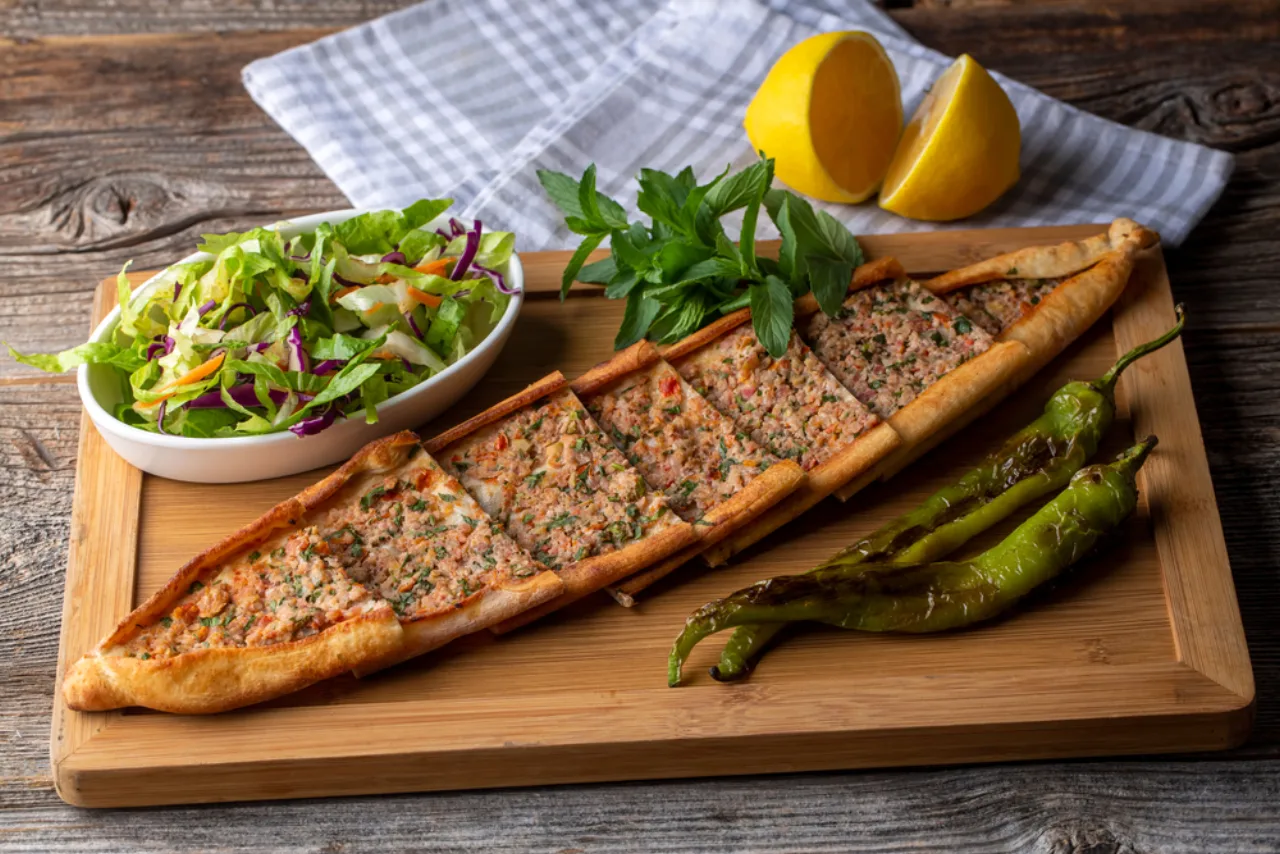
Boat-shaped flatbread baked fresh in a wood oven with toppings sealed inside the dough — molten cheese (kaşarlı), spiced minced meat (kıymalı), or egg and sucuk. Crisp at the edges, soft in the middle, and best eaten the moment it comes out of the oven.
Turkish breakfast (kahvaltı)
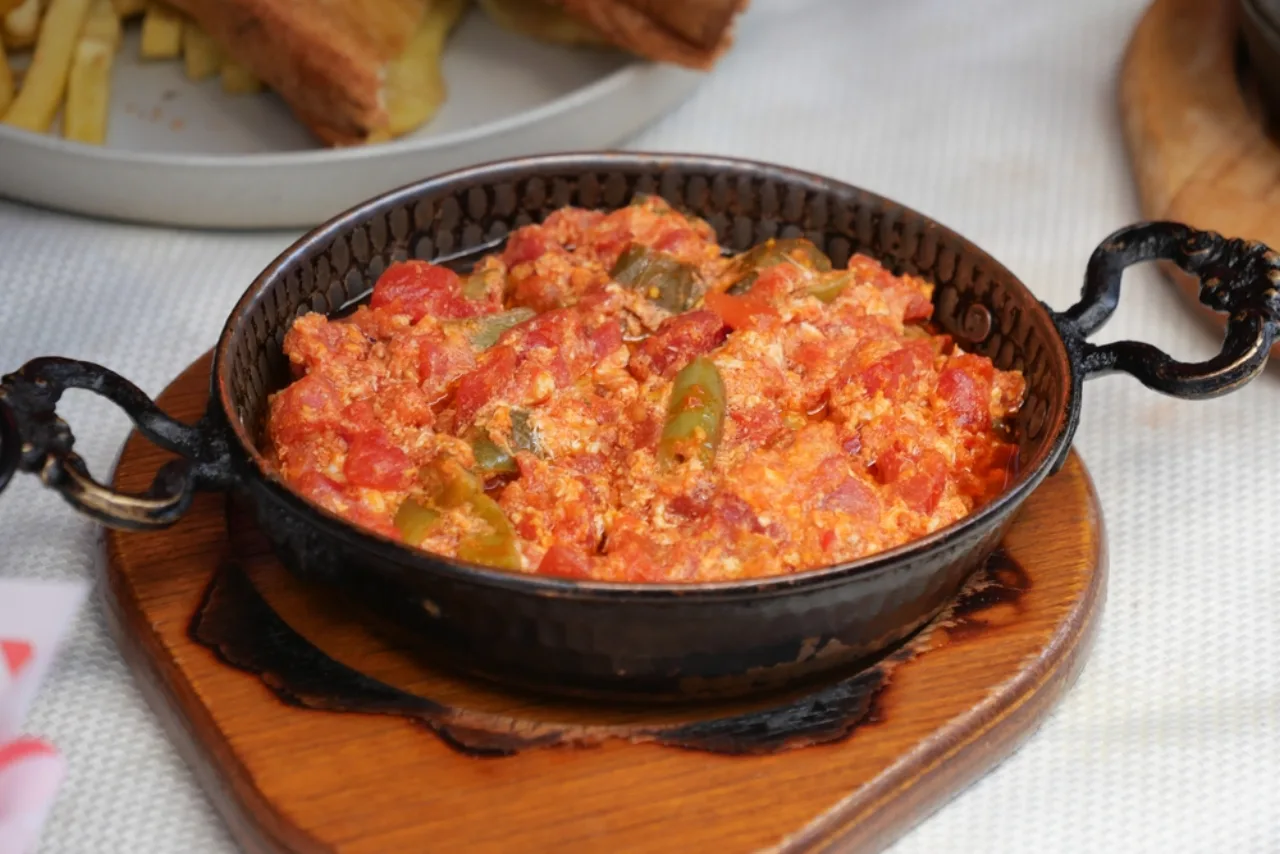
No trip is complete without a proper Turkish breakfast — a sprawling, leisurely table of small plates meant to be grazed over for hours on a weekend morning. It's less a meal than an event.
25. Menemen
Soft eggs gently scrambled with tomato, green pepper, and spices in a small pan and brought to the table sizzling, ready to be scooped up with bread. It's the warm, savory star of the breakfast spread — and arguably the dish to order if you only try one Turkish breakfast item.
26. The kahvaltı spread
Beyond menemen, a full kahvaltı covers the whole table: sucuk (spicy garlic sausage) sizzled with eggs, flaky börek pastry, a rainbow of white cheeses and olives, tomatoes and cucumbers, bal-kaymak (honey poured over clotted cream), jams, fresh bread, and bottomless tea. Go genuinely hungry — this is a marathon, not a sprint.
Turkish desserts & sweets
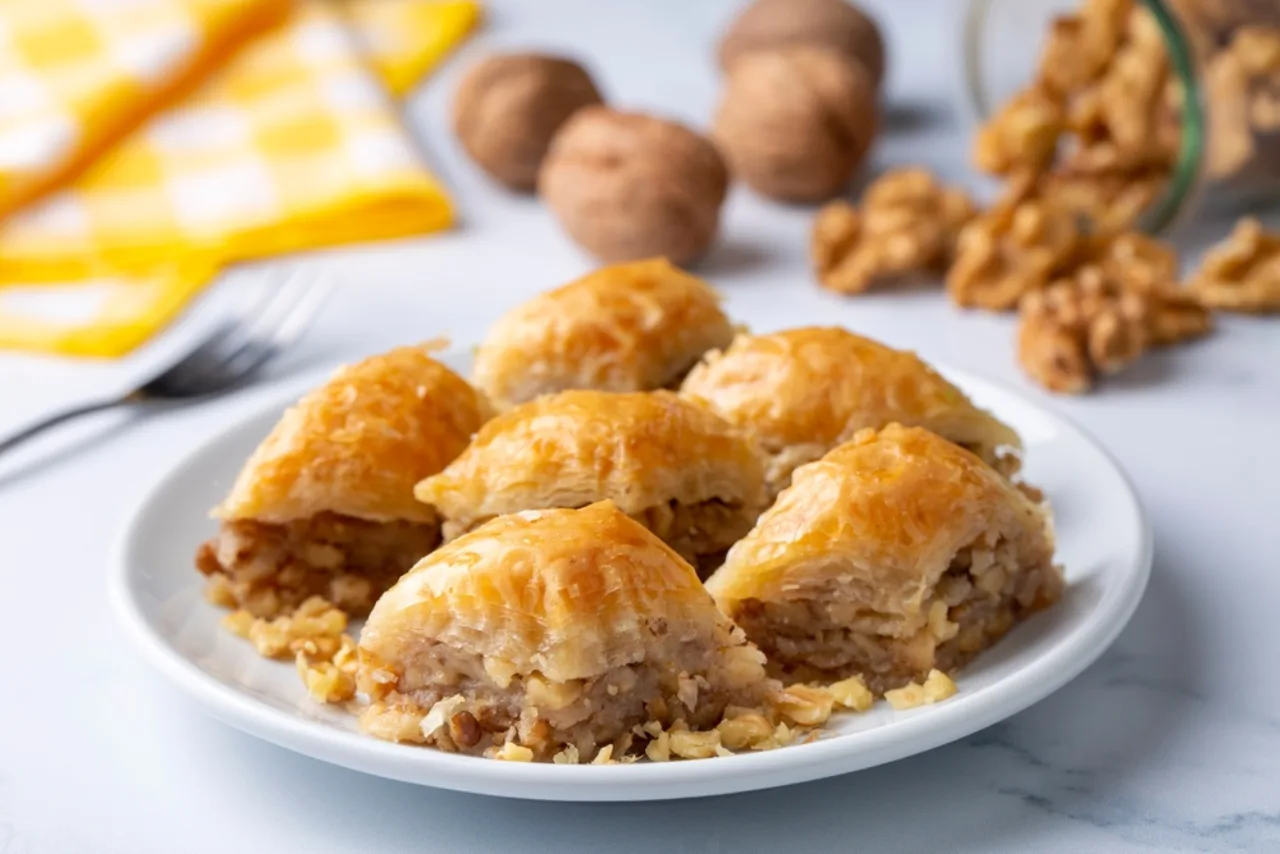
27. Baklava
The crown jewel of Turkish desserts: dozens of paper-thin filo layers brushed with butter, packed with crushed pistachios or walnuts, baked golden, and soaked in light syrup. Gaziantep baklava, made with local Antep pistachios, is the protected gold standard — buy a fresh box by weight from a dedicated baklavacı, not a supermarket.
28. Künefe
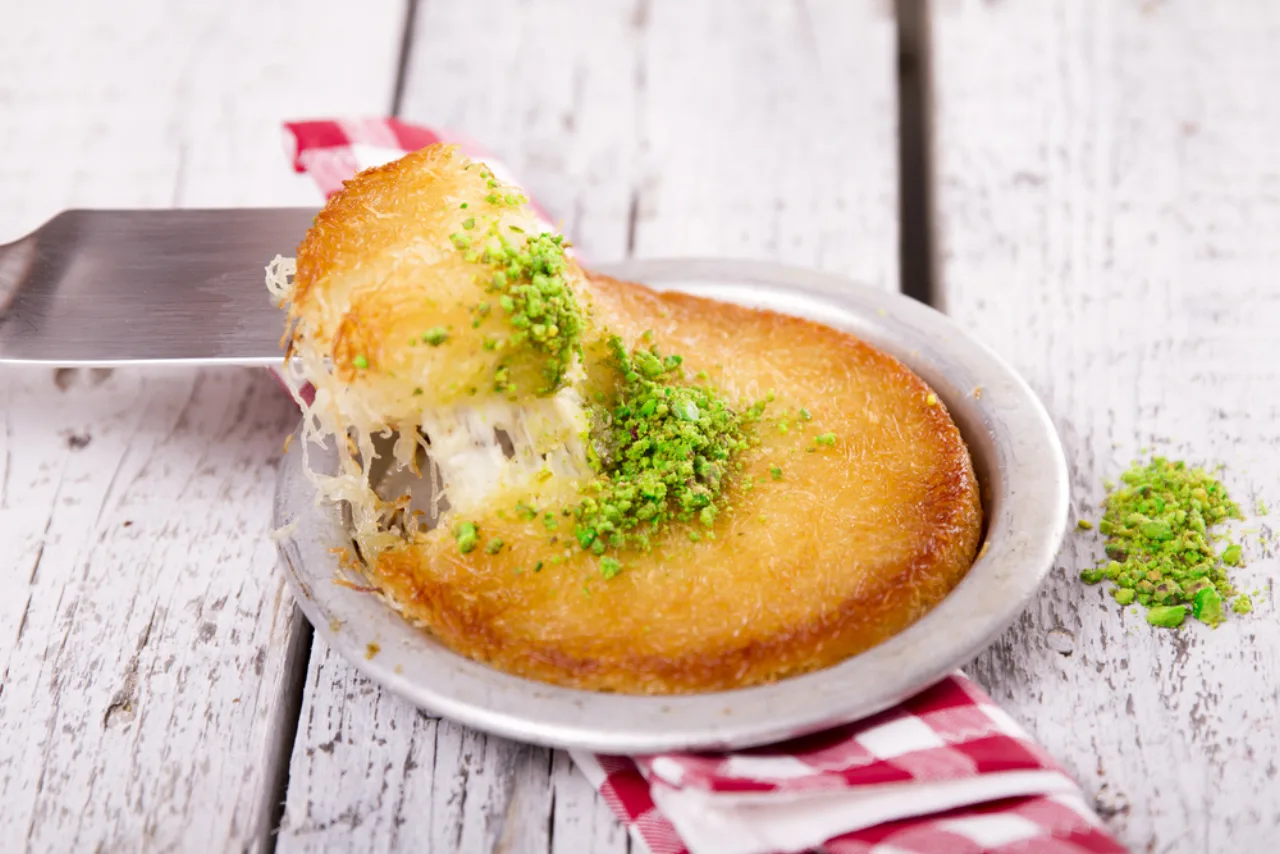
Shredded kadayıf pastry layered over a core of stretchy unsalted cheese, baked until crisp and bronze, drenched in syrup, and served piping hot under a blizzard of ground pistachio. The pull of the melted cheese as you lift a forkful is half the joy — eat it immediately while it's still molten.
29. Turkish delight (lokum) & dondurma
Lokum — soft, jewel-bright cubes scented with rosewater, lemon, or pomegranate and studded with nuts, dusted in powdered sugar — is the classic edible souvenir to carry home. Pair it with dondurma, Turkey's famously stretchy, chewy ice cream thickened with mastic and sahlep, which street vendors love to serve with a teasing sleight-of-hand show.
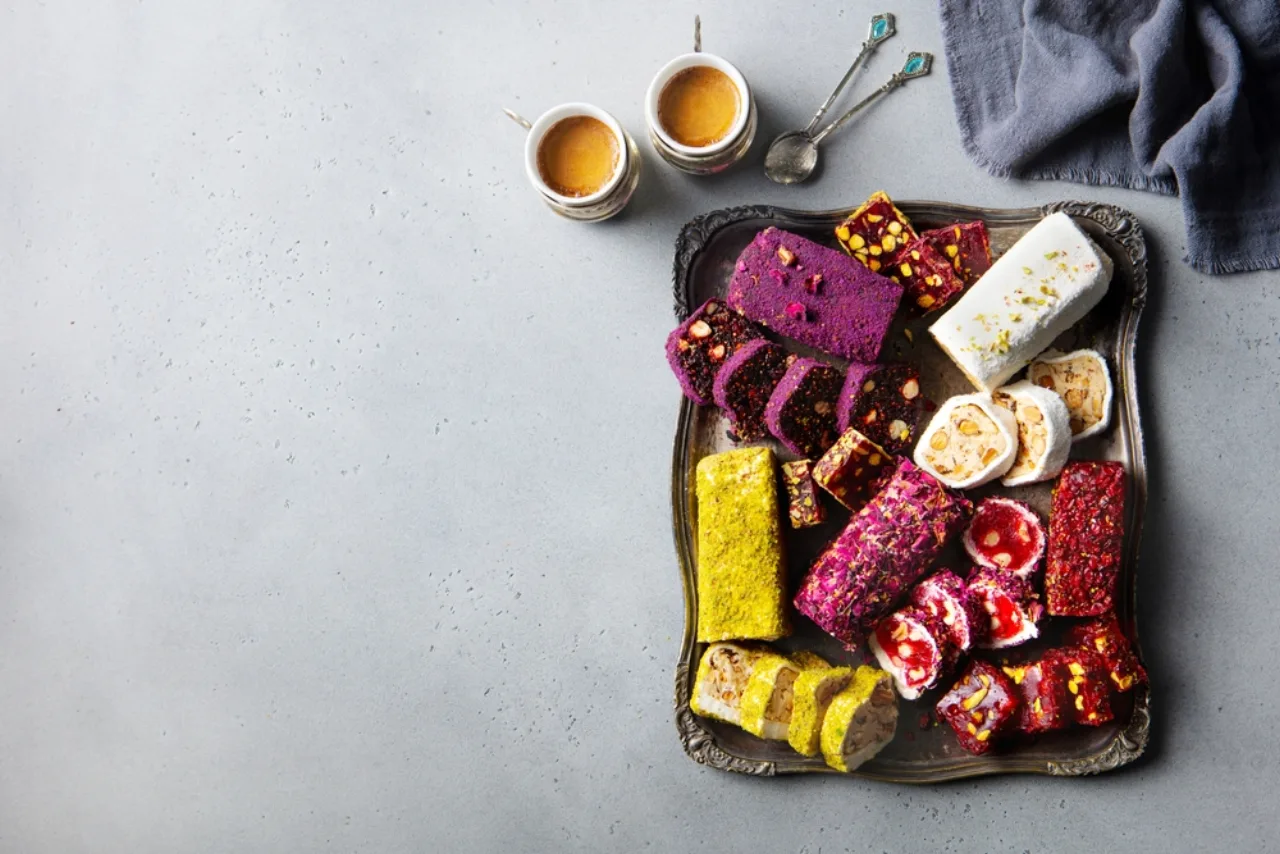
30. Turkish tea & coffee
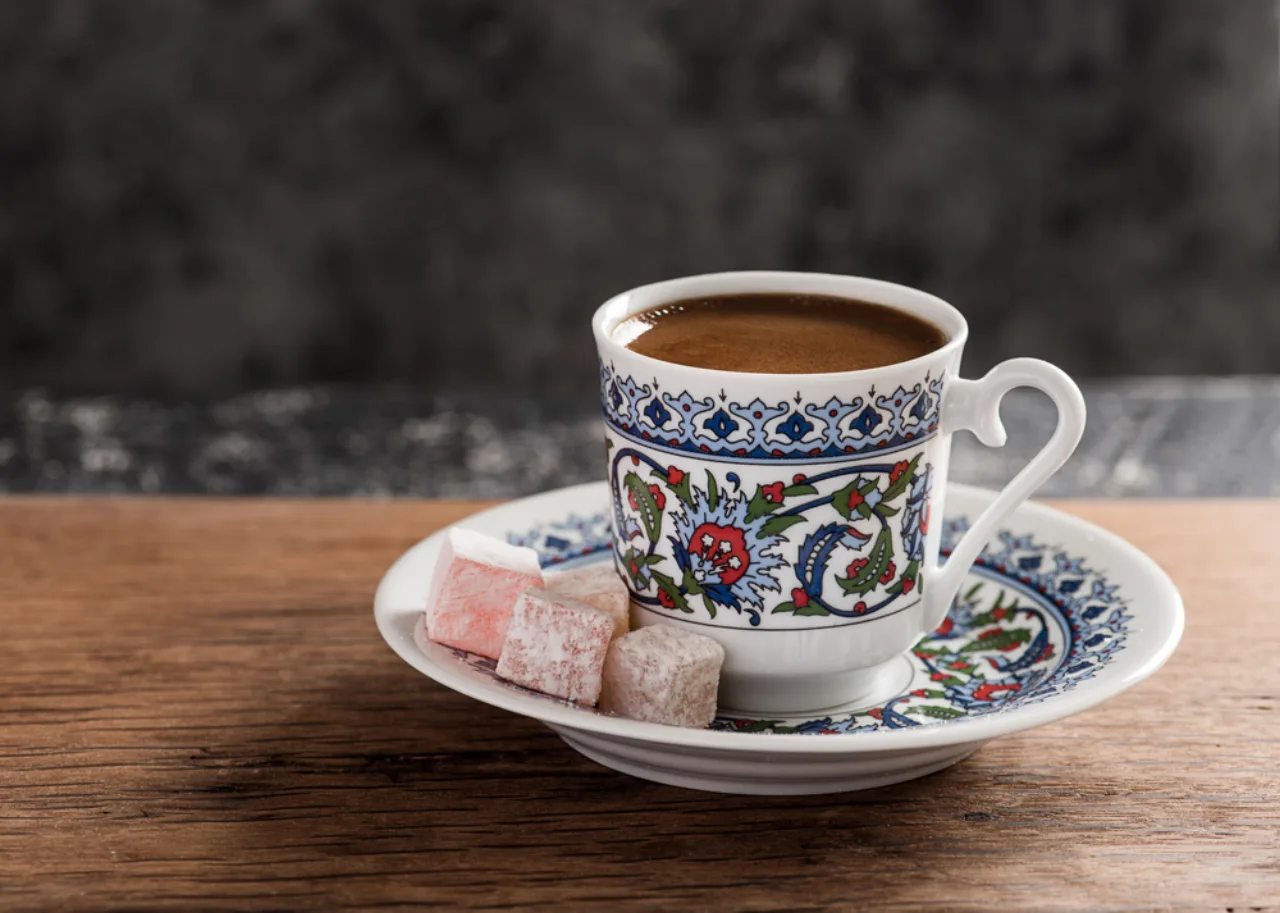
Not food, but inseparable from it. Çay (black tea served in tulip-shaped glasses) is the social glue of the entire country — offered constantly, refused by no one. Türk kahvesi is thick, unfiltered, brewed slowly in a copper cezve, and so culturally significant it's on UNESCO's heritage list. Sip it with a cube of lokum, and never stir up the grounds at the bottom.
A word on Turkish dining etiquette
Turks say "Afiyet olsun" ("enjoy your meal") before and after eating, and "Elinize sağlık" ("health to your hands") to thank whoever cooked. Meals are unhurried and shared from the middle of the table — expect to be offered far more food than you can possibly eat, and to be poured tea long after you've said you're full. Accepting is the polite move. Tipping around 10% is customary in sit-down restaurants, and it's normal for a host to fight you for the bill (let them win graciously).
Where to eat the best Turkish food
Istanbul is the obvious starting point — every regional cuisine in the country lands here, from Bosphorus-side seafood meyhanes to southeastern kebab houses and century-old dessert shops in the old city. Where you stay shapes how you eat: base yourself in Karaköy, Beyoğlu, or the Old City and you can walk to world-class food in minutes. For neighborhoods, hotel areas, and how to plan a food-focused stay, see our complete Istanbul hotels guide.
Beyond Istanbul, Gaziantep is Turkey's UNESCO-recognized City of Gastronomy — the place for the very best baklava and kebabs. The Aegean coast around İzmir and Çeşme shines for olive-oil meze and seafood, the Black Sea for cornbread and anchovies, and Cappadocia for clay-pot testi kebabı between hot-air-balloon flights.
Want to go deeper before you travel? This full Turkish food tour is the most complete watch on this list:
Building a whole trip around the food? Our team designs curated Turkey tour packages and books contracted hotels across Turkey at net rates — useful whether you're traveling for yourself or planning an itinerary for clients.
Travel agencies & tour operators: want to package Turkey's food, culture, and hotels for your customers? Apply for partner rates and we'll handle the ground operations end to end.
Afiyet olsun — now go eat.
Frequently asked questions
What is Turkey's national dish?
Kuru fasulye — a slow-cooked white bean stew in a tomato-based sauce, usually served with rice (pilav) and pickles — is widely considered Turkey's national dish. It's the ultimate Turkish comfort food and a staple in homes and lokantas alike.
What is the most famous Turkish food?
Döner kebab is the most globally recognized Turkish dish — seasoned meat stacked on a vertical rotisserie and shaved into wraps or plates. Inside Turkey, baklava, köfte, and a full Turkish breakfast are just as iconic.
What does a typical Turkish meal look like?
A traditional meal often starts with soup or a spread of cold meze, moves on to a meat or vegetable main with rice or bulgur and salad, and ends with fruit, baklava, or Turkish tea. Bread and ayran accompany almost everything.
Is Turkish food spicy or halal?
Most Turkish food is mild and herb-forward rather than fiery, though southeastern dishes like Adana kebab and acılı ezme bring real heat. The vast majority of restaurants serve halal meat, and pork is rare outside specialist spots.
What are the best vegetarian Turkish dishes?
Turkey is excellent for vegetarians. Try imam bayıldı, mercimek çorbası (lentil soup), zeytinyağlı dolma, gözleme with cheese, menemen, and a meze table of haydari, cacık, fava, and ezme.
What do Turks say before eating?
Turks say "Afiyet olsun" — roughly "may it be good for you" / "enjoy your meal." You'll hear it from waiters, hosts, and even strangers. A polite "Elinize sağlık" ("health to your hands") thanks whoever cooked.

Founder & CEO, Safaryar Holidays
Alper Tekin founded Safaryar Holidays in 2018 and leads its B2B hotel wholesale and DMC operations across Turkey.
Explore our tours
Discover Türkiye's best tours with Safaryar
Packaged for partner agencies, net-priced, and operationally proven — all in a single catalogue.